

Introduction
Search has always been at the heart of digital marketing. It’s how people find information, discover products and services, and decide where to spend their time online. For decades, optimizing for search meant understanding algorithms that matched keywords to content. In the mid‑ 2020s that definition changed. Voice assistants and chatbots moved from novelty gadgets to daily companions, and generative AI models began surfacing entire answers instead of simple blue links. Today, conversational search experiences like Google’s AI Mode and AI Overviews, ChatGPT, Gemini and Perplexity have begun to redirect traffic away from traditional search results and into synthesized responses. According to industry data, traffic from AI‑powered platforms has jumped 527 % in just five months, and some niches already see more than 1 % of all sessions coming from AI tools.
As the volume of AI‑driven queries grows, marketers are rethinking what it means to be “discoverable.” It’s no longer enough to rank in the top organic positions. Content must be structured and authoritative enough for AI models to cite it, scannable enough for chatbots to extract key facts, and compelling enough for human readers who may encounter your brand only as a brief mention in an audio response. This article explores how AI Mode and AI Overviews work, how they differ from classic organic search, and what marketers can do now to thrive in a world where search is conversational, multimodal and distributed across a dozen interfaces.
The AI search boom: traffic is shifting away from traditional results

New research from digital consultancy Verkeer highlights just how rapidly AI search is growing. In their August 2025 industry update, they report that traffic from platforms like ChatGPT, Gemini and Perplexity has increased 527 % in five months. This isn’t just happening in tech circles: finance, legal and even small‑business verticals are experiencing meaningful volumes of visits from AI tools. The rise of generative search means that more people are asking chatbots to summarize information, recommend products and even call local businesses on their behalf. Google recently announced that its AI can now call local businesses to check prices and availability, providing details directly in search results.
The takeaway is clear: AI traffic isn’t a fad; it is a fundamental shift in how people discover information. Early adopters see AI platforms as trusted research assistants, and younger audiences, particularly Gen Z, are mixing social search, AI chatbots and traditional search engines in equal measure. A survey cited by Verkeer shows that 34 % of users use AI chatbots regularly and that 79 % of all users trust AI tools nearly as much as Google. For marketers, this means that ignoring AI search could mean missing out on the channels your future customers are using most.
AI Mode vs. AI Overviews: what’s the difference?
Google currently offers two distinct AI‑driven experiences: AI Mode and AI Overviews. At first glance they may seem similar—both produce synthesized answers from multiple sources—but new research shows some key distinctions. According to Verkeer, AI Mode features brands in its responses 90 % of the time, while AI Overviews mention brands in only 43 % of answers. AI Mode, built on Google’s Gemini 2.5 model, handles complex, multi‑step queries and maintains a conversational thread, citing 5‑7 sources in each answer. AI Overviews, which appear above standard search results, may draw from 20 or more sources and are volatile, changing week to week.
The implication is that brands have more control over their visibility in AI Mode than in AI Overviews. Because AI Mode relies on a smaller set of sources and surfaces brands more frequently, marketers who produce comprehensive, authoritative content have a better chance of being cited. Conversely, AI Overviews draw from a wider pool of information, making it harder to influence which sources appear. Both experiences reward quality, but AI Mode is arguably friendlier to brands, while AI Overviews demands more breadth and current relevance.
High‑traffic sites, new authority signals and the feedback loop of AI citations
Another important factor is that higher‑traffic sites get cited more often in AI responses. A study referenced by Neil Patel’s July 2025 roundup reveals that high‑traffic websites receive more AI citations, creating a feedback loop where traffic attracts more traffic through AI mentions. This suggests that traditional SEO signals like backlinks and topic authority remain important, but AI is creating an additional layer of authority based on real‑world engagement. When a site already enjoys high visitation, AI algorithms may treat it as more reliable, which further increases its presence in AI‑generated answers.
For marketers, this means that boosting overall traffic—through social campaigns, email marketing, partnerships and paid promotion—can indirectly improve AI visibility. It also reinforces the value of building topical clusters and repurposing popular content across formats. When one piece performs well and drives traffic, create supporting articles, infographics and videos to amplify its reach. The more signals you send about a topic, the more likely AI will perceive your site as an authority.
Voice search and audio responses: search becomes a conversation
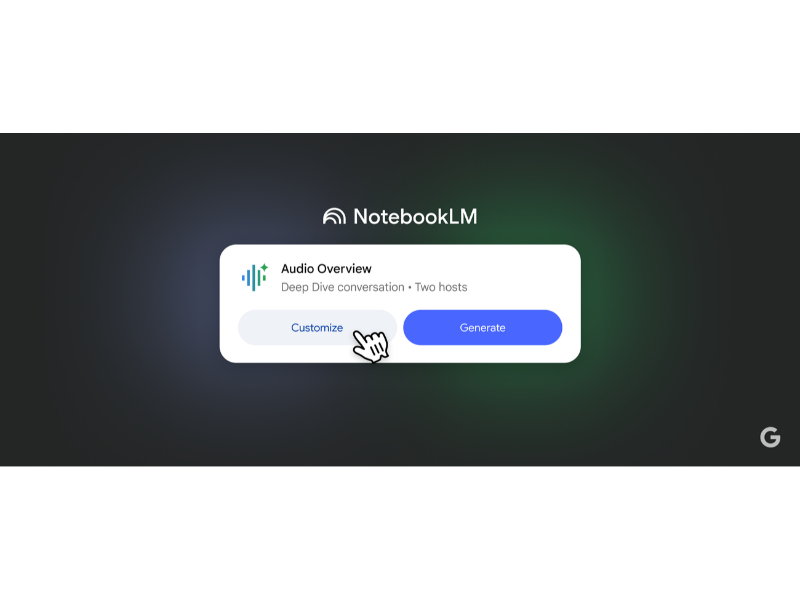
Google’s move toward AI search isn’t limited to text. In mid‑2025, the company launched Audio Overviews, which provide spoken answers that sound like a podcast conversation between two voices. One voice explains the topic while the other asks clarifying questions, making complex information easier to digest. Unlike simple text‑to‑speech, these responses are generated to mimic human conversation and may incorporate content from multiple sources.
This development underscores an emerging reality: search experiences are becoming multimodal. People may listen to an answer while driving, watch a summary video on social media or read an in‑depth blog. For content creators, this means your material should work in different formats. Structure articles with clear subheadings, create Q&A sections that answer common questions and provide audio or video versions when possible. Write conversationally so your content sounds natural when read aloud, and test how your top pages sound using text‑to‑speech tools. The same piece of content might power a featured snippet, an AI citation and an audio overview, so ensure it flows well in all contexts.
LLM perception match: why your brand identity matters more than ever
As AI models decide which sources to cite, they don’t just look at keywords and backlinks; they assess whether a brand “feels” like a good fit for the query. This concept, referred to as LLM Perception Match, means that if your site’s tone, user experience, reviews or community reputation doesn’t align with the question at hand, AI may not include you. For B2B companies, this is particularly important: AI might filter vendors before buyers even see them.
Perception match emphasizes the importance of consistent branding and trust signals. Ensure your site is easy to navigate, accessible and free of intrusive ads. Write in a tone appropriate to your audience—professional yet friendly for B2B, or conversational and inspiring for consumer brands. Encourage customers to leave honest reviews and respond to them promptly. Participate in relevant communities and forums. All of these signals feed into the intangible sense that your brand is relevant, trustworthy and authoritative.
Optimizing content for AI visibility
Given the growing importance of AI search, how can marketers adapt their content strategies? Here are practical steps informed by recent research and industry guidance:
- Create structured, scannable content. Use clear headings, bullet lists and concise paragraphs. AI models pull sentences and facts from content; if your articles are dense blocks of text, the algorithm may skip them. Verkeer notes that to rank in Perplexity, content should be deep, useful, well‑linked and updated often. Make sure your articles answer the “who, what, where, when, why and how” of a topic.
- Answer questions explicitly. Many AI answers are triggered by direct questions. Structure your content with question‑and‑answer sections, FAQs and lists of common queries. Provide direct answers in the first sentence of each section, and elaborate afterward. Google’s Audio Overviews, for instance, work best when content includes clear Q&As.
- Focus on E‑E‑A‑T and authority. Google’s June core update continued to reward content that demonstrates experience, expertise, authoritativeness and trustworthiness (E‑E‑A‑T). To meet these criteria, include author bios, cite reputable sources, provide evidence and showcase real‑world experience. High‑quality backlinks and positive user engagement also contribute to authority.
- Optimize for AI Mode and Overviews separately. Because AI Mode uses 5‑7 sources and highlights brands, produce comprehensive resources that cover a topic end‑to‑end. For AI Overviews, diversify: publish a series of articles, videos and social posts around a topic to increase your chances of being referenced. Keep your content up to date to reduce volatility.
- Leverage structured data. Use schema markup (e.g., FAQPage, HowTo, Article) to help AI models understand your content’s context. Structured data can improve the chances of being included in AI summaries and voice answers.
- Measure AI traffic separately. Google Search Console now includes a separate segment for AI mode traffic, and more tools are emerging to track citations across chatbots. Monitor these metrics to see which pages are being surfaced by AI and adjust your content accordingly. Ubersuggest’s upcoming AI Search Optimization reporting will track brand mentions and sentiment across AI platforms, so consider incorporating AI visibility into your KPIs.
- Build topical clusters. Create a network of interlinked articles, videos, podcasts and social posts around your core themes. This not only improves traditional SEO but also signals to AI that you have depth on the subject. Neil Patel recommends building out topic clusters and repurposing successful content across multiple platforms.
- Promote content to drive traffic. Because high traffic influences AI citations, invest in distribution. Share your content on social media, email newsletters, community forums and relevant partnerships. Encourage engagement and discussion to create signals that AI algorithms will recognize.
Beyond Google: optimizing for other AI search platforms

While Google dominates search, other AI‑powered tools like Perplexity, ChatGPT, Gemini and OpenAI’s voice assistants are gaining traction. Each platform has its own ranking signals and user behavior. Research cited by Verkeer shows that Perplexity favors deep, well‑linked, and frequently updated content and gives manual boosts to big‑name domains. ChatGPT often summarizes using the most comprehensive or widely referenced sources. Understanding these nuances helps you tailor content to each platform.
Moreover, AI search isn’t confined to text. TikTok’s search ads and the rise of social search mean that discovery is happening where audiences spend their time. Gen Z uses TikTok and Instagram search to find recipes, fashion inspiration and tutorials before turning to Google. To remain visible, marketers need to publish platform‑native content and ensure that core messages and brand information remain consistent across channels.
Preparing for the future of search
The search landscape of 2025 and beyond will be shaped by conversational AI, voice and multimodal interfaces, and increasing emphasis on trust and identity. Traditional tactics like keyword stuffing or chasing algorithm updates will not suffice. Instead, success will come from understanding user intent, creating genuinely helpful and authoritative content and building a brand that people—and AI models—consider a credible source.
Marketers should view AI search not as a threat but as an opportunity to reach audiences in new ways. By structuring content thoughtfully, investing in authority and trust, monitoring new metrics and staying nimble, you can position your brand to thrive as search continues to evolve. The companies that adapt quickly and focus on creating genuine value across every platform will capture attention in an era where a conversation with an AI might be the first—and only—impression a user has of your brand.
Conclusion
AI‑powered search experiences like Google’s AI Mode and AI Overviews are reshaping how users discover information and how brands are presented online. Traffic from AI platforms is exploding, and younger audiences are already embracing chatbots as search companions. While AI Mode is more brand‑friendly, both experiences reward structured, authoritative and trustworthy content. Marketers who ignore this shift risk becoming invisible in the channels that matter most to their future customers.
To succeed, digital marketers must rethink their content strategies: optimize for conversational experiences, invest in topical authority, build trust signals and measure AI visibility. By adopting these practices, you’ll not only navigate the current transition but also set yourself up for a future where search is ubiquitous, personalized and powered by intelligent assistants.