
If 2023 was the year of generative AI hype, 2025 is the year of agentic AI. According to Seafoam Media’s July 2025 marketing report, AI is no longer just assisting marketers; it’s acting on their behalf. Agentic systems – automated stylists, media planners and campaign generators – are delivering meaningful results with minimal human intervention. Meanwhile, budgets are ballooning: at the Cannes Lions festival, CMOs reported spending over $10 million annually on AI, even as measurement frameworks lag. Parallel to this technological shift is another cultural phenomenon: memes have evolved from internet jokes to a core marketing tactic. When combined, AI agents and meme marketing offer a potent recipe for creativity and virality.
Understanding agentic AI
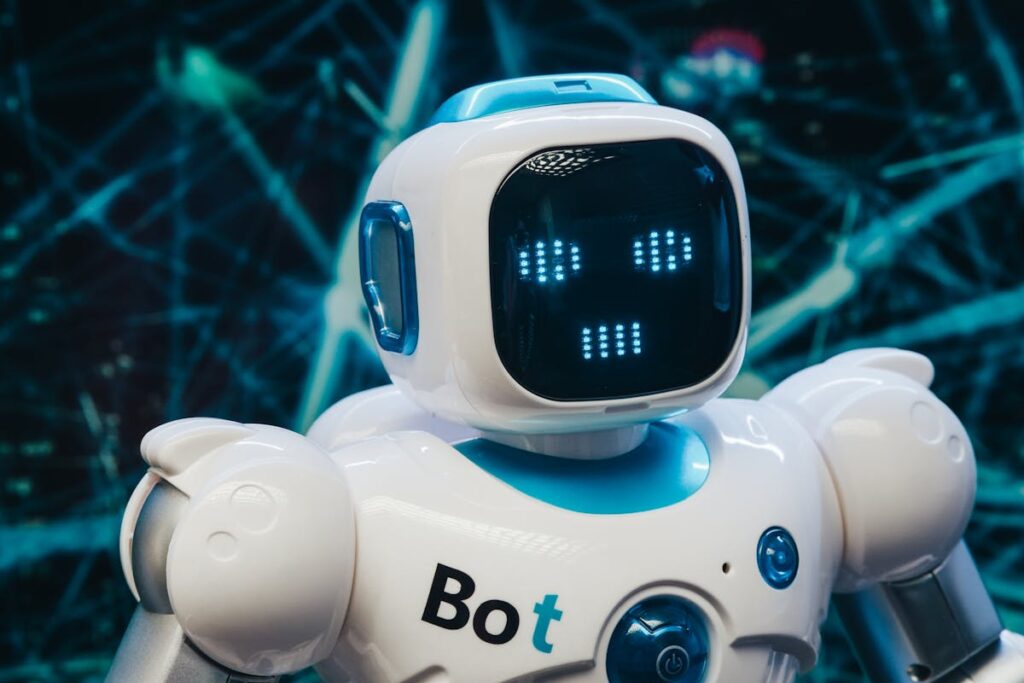
An AI agent differs from a typical AI assistant. Instead of merely generating content when prompted, an agent retains context, reasons about goals, and takes action. Products like Microsoft Copilot Studio and Salesforce’s Agentforce provide frameworks for building agents that can, for example, draft ad copy, choose images, schedule posts and even adjust budgets based on real-time performance. These systems blend language models, APIs and rule-based logic to automate tasks end-to-end.
Key advantages of AI agents:
- Context awareness. Agents remember past interactions and apply that knowledge to future tasks. This allows them to maintain consistency across a campaign and personalize outputs over time.
- Multi-step reasoning. Agents can chain tasks together. They might generate a campaign theme, produce visuals, select channels and schedule posts automatically, freeing marketers from micromanaging each step.
- Scalability. With agents handling repetitive tasks, teams can focus on strategy, innovation and brand storytelling. This is especially valuable for lean teams.
However, caution is warranted. As Seafoam’s report reminds us, AI creativity is scaling rapidly, but ROI measurement still trails. Human oversight remains critical to ensure that automated campaigns align with brand values and resonate with audiences.
Meme marketing as strategy
Memes – images or videos captioned with humorous, relatable text – have been part of internet culture for years. What’s changing is that brands are now using memes deliberately to build community and drive engagement. Seafoam Media notes that meme marketing has moved from a “side hustle” to a core tactic. Here’s why:
- Instant relatability. Memes condense complex feelings or experiences into a simple image and caption. Audiences instantly “get” the joke and feel connected.
- Organic virality. A good meme invites sharing. Users spread it within their networks, increasing reach without paid promotion.
- Cultural commentary. Memes reflect cultural moments, allowing brands to participate in conversations authentically. When done well, they humanize the brand and show awareness of audience interests.
- Low production cost. Compared to video ads, memes are inexpensive to create. Even small teams can experiment with them.
Yet meme marketing also carries risks. Trends move quickly; by the time a brand posts a meme, it may already be stale. Worse, misusing a meme can appear tone-deaf or exploitative. That’s where AI agents can help – by monitoring trends, generating meme variations and testing them with audiences.
Combining AI agents with meme marketing
- Trend detection and ideation. Use AI social listening tools and agents to monitor platforms like TikTok, Reddit and Twitter for emerging memes and cultural references. Since TikTok is the birthplace of many trends, ensure your system taps into its Creative Center. Agents can flag trending audio, phrases or visual formats that align with your brand voice.
- Rapid content generation. Agents can generate multiple meme drafts using templates and brand assets. For example, you might prompt an agent: “Create five memes using the ‘Distracted Boyfriend’ format to illustrate common email marketing mistakes.” The agent can propose captions and layouts, freeing your team to choose the best and refine tone.
- A/B testing at scale. Deploy agents to post different meme variations to segmented audiences and measure engagement. Agents can automatically adjust captions or visuals based on real-time reactions, optimizing for shares and comments.
- Integration with campaigns. Memes don’t have to stand alone. Pair them with longer-form content, such as blog posts or webinars, to drive deeper engagement. For instance, a meme about generative search misunderstandings can link to your article on GEO. Agents can schedule memes strategically within a larger campaign calendar.
- Ethical and cultural sensitivity. AI systems don’t inherently understand cultural nuance. Implement guardrails to prevent insensitive or off-brand memes from being published. Agents should be trained on brand guidelines and require human approval for final outputs.
Measuring the impact of memes and AI agents
Despite their popularity, meme campaigns need clear metrics. Studies indicate that 74% of millennials send memes to make people smile, suggesting that humor and relatability are powerful engagement drivers. Memes often outperform polished graphics because they are free to create and instantly recognizable. Track metrics beyond likes and shares, such as how meme-driven traffic progresses through your funnel. Use UTM parameters or custom landing pages to gauge whether memes drive newsletter signups, product demo requests or downloads. When deploying AI agents, measure how much time they save your team and whether their outputs correlate with improved conversion rates. Because ROI measurement for AI creativity is still developing, combining quantitative and qualitative feedback will provide a more complete picture.
Building an AI-enabled meme factory
To maximize efficiency, set up a repeatable workflow that blends AI agents with human creativity:
- Template library. Compile a repository of popular meme formats that align with your brand tone. Include notes about when they should and shouldn’t be used.
- Prompt frameworks. Develop prompt patterns for your AI agents. For instance, instruct the agent to produce memes that illustrate a specific pain point, include a call to action and adhere to your brand’s voice.
- Human QA. Create a checklist for human reviewers to approve memes before publication, ensuring they are culturally sensitive and on-brand.
- Feedback loops. After publishing, analyze performance and feed successful examples back into your library. Use agent analytics to refine prompts and formats over time.
By systematizing meme production, you can stay nimble in fast-moving trend cycles while maintaining control. Pair this framework with a clear measurement strategy and you’ll turn memes from a novelty into a reliable component of your content marketing toolkit.
Practical tips for marketers
- Start small and iterate. Test meme marketing with low-stakes content. Use agentic tools to generate ideas and track performance. Learn what resonates with your audience before scaling.
- Keep it authentic. Don’t force memes into every message. If a trend doesn’t align with your brand voice, skip it. Audiences can sense inauthenticity quickly.
- Balance creativity and data. While memes rely on creativity, use data to guide your strategy. Monitor engagement metrics, sharing behavior and conversion rates. AI agents excel at gleaning insights from large datasets, helping refine your approach.
- Stay informed about platform policies. Some platforms may restrict meme formats or copyright usage. Ensure you have the right to reuse images and that your content complies with each platform’s rules.
Conclusion
The convergence of agentic AI and meme marketing reflects broader shifts in digital marketing: automation is freeing humans to focus on creativity, and culture is becoming the currency of engagement. By combining AI agents’ ability to ideate and execute with memes’ relatability and shareability, marketers can craft campaigns that resonate deeply and spread organically. However, success hinges on strategy and oversight. Use agents as collaborators, not replacements, and remember that authenticity and cultural sensitivity are non-negotiable. When you pair human judgment with machine efficiency, you unleash a new wave of creative marketing that can stand out in a crowded digital landscape.